

Protecting Your Home Before and During Kentucky Storm Season
Kentucky weather doesn’t ease into spring. One week you’re enjoying a warm afternoon, and the next you’re watching a wall of clouds roll in from the west. Thunderstorms, hail, high winds, and tornadoes are part of storm season in the Bluegrass State, and your home takes the brunt of it. Getting ahead of the damage before it happens saves money, headaches, and sometimes your roof.
- Kentucky’s severe weather peaks from March through June, with April and May bringing the highest tornado risk.
- A roofing inspection and siding inspection in late winter catches small issues before storms turn them into expensive repairs.
- Trusted roofing and siding contractors can also help with insurance claims when storm damage hits your home.
When Is Storm Season in Kentucky?
Kentucky storm season runs from March through June, with the peak risk for thunderstorms and tornadoes hitting in April and May. The National Weather Service in Louisville tracks tornado days by month, and April leads the pack year after year. Kentucky averages between 40 and 60 thunderstorms annually, depending on where you live in the state.
Western Kentucky tends to see the highest tornado risk in March, but by April and May, central Kentucky and the Louisville metro area face elevated odds for severe storms. That doesn’t mean you can relax once June ends. Damaging winds, hail, and flash flooding can happen any month, which is why a year-round mindset matters more than treating storm prep as a one-and-done spring project.
Getting Your Roofing and Siding Ready
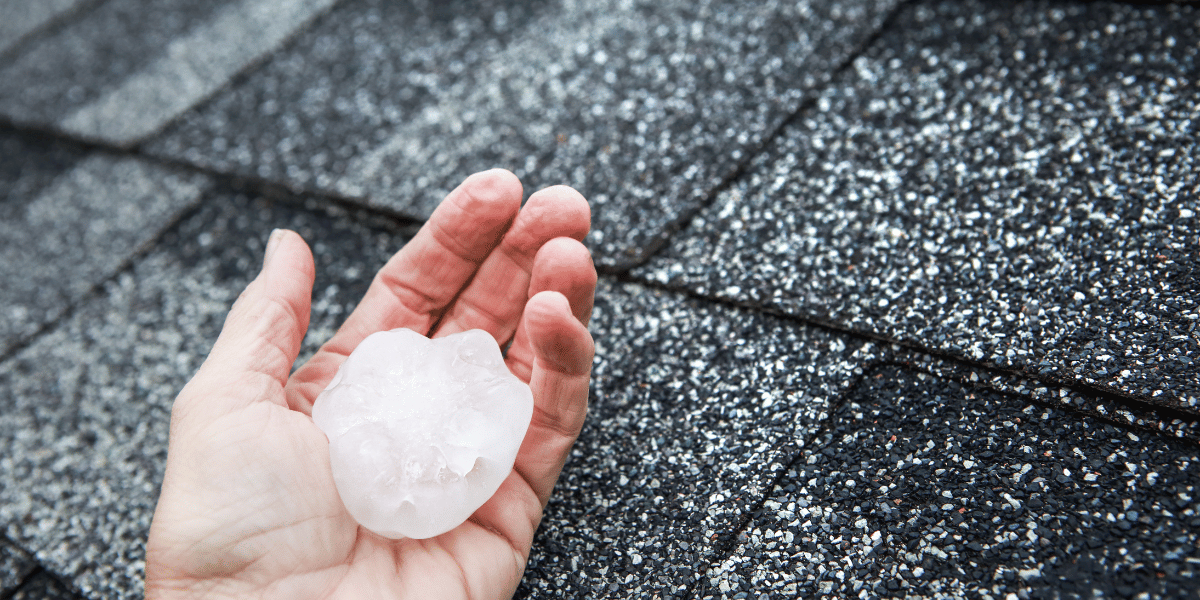
Your roof and siding are the first line of defense against everything Kentucky weather throws at your house. Hail can crack shingles, wind can lift them, and driving rain finds every gap in damaged siding. Most storm vulnerabilities are easy to spot if you know what you’re looking for, or if you bring in someone who does.
Walk around your home and look up. Are there shingles missing, curled, or showing dark spots? Is your siding cracked, warped, or pulling away from the wall? These are warning signs that need attention before the next round of storms arrives.
| Home Area | Action To Take | Why It Matters |
|---|---|---|
| Roof | Check for loose, missing, or curled shingles | Wind and hail lift damaged shingles fast |
| Gutters | Clear leaves, twigs, and built-up debris | Clogged gutters back water up under the roof |
| Siding | Inspect for cracks, gaps, and warped panels | Damaged siding lets water seep behind walls |
| Trees | Trim branches hanging near the house | Falling limbs are a top cause of roof damage |
| Windows & Doors | Check seals, caulk, and weatherstripping | Wind drives rain through tiny gaps in seals |
| Emergency Kit | Stock flashlights, water, batteries, and a radio | Power outages can last days after major storms |
Why a Roofing Inspection Matters
A professional roofing inspection catches problems you can’t see from the ground. Missing flashing around chimneys, soft spots in decking, hairline cracks in shingles, and worn sealant around vents all create entry points for water. A trained eye spots these issues before they turn into ceiling stains and attic mold.
Older roofs are especially worth inspecting. Shingles lose granules over time, and once that protective layer wears down, the underlayment breaks down fast. Catching a tired roof before storm season gives you time to plan a replacement rather than scrambling after a leak.
What a Siding Inspection Reveals
A siding inspection focuses on the seal between your home and the weather outside. Inspectors check for soft panels, gaps where caulk has failed, loose nails, and water staining on the back side of siding pieces. Vinyl that’s been hit by hail might look fine at first glance but show stress cracks under closer review. Fiber cement and aluminum each have their own failure points, so the inspection method varies by material.
Working With Roofing and Siding Contractors
Picking the right roofing and siding contractors makes all the difference once storm damage shows up. You want someone who answers the phone, shows up when they say they will, and knows how to work with insurance adjusters. Local contractors also understand what Kentucky weather does to a house, which beats hiring an out-of-state storm chaser who shows up after a big hail event and disappears once the work is done.
| Service | What We Handle | Storm Season Benefit |
|---|---|---|
| Roofing | Inspection, repair, and full replacement of shingle, metal, flat, and slate roofs | Catches damage early before leaks worsen |
| Siding | Vinyl, wood, fiber cement, and aluminum repair or replacement | Protects against wind-driven rain and hail |
| Gutters | New gutter installation and gutter guard systems | Routes heavy rain away from your foundation |
| Storm Doors | ProVia decorative, screen, and security storm doors | Adds a barrier against heavy wind and rain |
| Windows | Heritage replacement windows by Joyce Manufacturing | Sealed against drafts and water intrusion |
| Insurance Claims | Documentation and claim assistance for storm damage | Less stress when working with adjusters |
Beating the Storm to the Punch
The best time to think about storm prep is before the sky turns dark. Schedule inspections in February or early March, fix small issues while you have the time, and keep contact info for a trusted contractor saved on your phone. A little preparation now can save thousands in repairs later, and it means a lot less worry every time the weather radio starts beeping.
Schedule Your Pre-Storm Inspection With Us
At Enterprise Home Improvements, we help Louisville and Kentuckiana homeowners get their houses ready for severe weather every spring. Our team handles roofing inspections, siding inspections, and storm damage repairs, and we work with your insurance company when claims need to be filed. Whether you need a few shingles replaced or a full roof and siding overhaul, our master craftsmen do the job right the first time. Stop by our Louisville showroom to see our products in person, or set up a free in-home consultation to talk about how we can keep your home protected before severe weather rolls in again.